Istanbul's enamel culture is a story intertwined with the city's commercial and cultural richness. In this article we look at Istanbul's relationship with enamel, the difference between rolled-rim and wired-rim enamel, and how to use enamelware on the hob and in the oven and keep it clean.
About Enamel in Istanbul
Enamel Istanbul
With its population and location, Istanbul is without doubt one of the most beautiful cities in the world. As far as I know, there is no other city with a sea running through its middle. Riverbanks and coastlines have been favourite places to build civilisations since before Christ, and thanks to its location Istanbul has been the capital of many civilisations. It has become a city with an extremely rich social and cultural fabric. As the saying goes, Istanbul is a city that never sleeps. With its population, business opportunities and closeness to markets and to Europe, it occupies a highly strategic position and is also the capital of trade. As the most populous and most densely populated city in Türkiye, and a magnet for tourists with its historic architecture and beauty, it is a major marketplace. Naturally, many production sites are located in and around Istanbul to be close to that market. Especially in the eastern districts of the Asian side and, conversely, the western districts of the European side, there are businesses and workshops leading many different sectors from A to Z. Some districts have also merged with Kocaeli and Tekirdağ to the point where you can no longer tell them apart. When it comes to enamel in Istanbul, beyond what is produced in these surrounding provinces, there have long been many shops in Eminönü, a symbol of the city. Although the main producers in Türkiye are in the Aegean region, large-scale manufacturers have also moved some of their production to Istanbul. As a result, there are enamel shops and sales points in many parts of Istanbul, especially on the European side, sometimes in upmarket stores and sometimes at wholesalers.
So, enamel, but which enamel?
In the food and drink sector, enamel kitchen and serving products fall into two main groups.
Rolled-Rim Enamel
This type mainly serves the "HoReCa" sector: hotels, cafés and restaurants where food is presented and served. Enamel pieces with a self-rolled rim, where the base metal is somewhat thicker and the coating is heavier, are called rolled-rim (kordonlu) enamel.
These pieces are preferred in these sectors because they have no extra metal rods that can loosen during washing and allow germs and other residues to build up. If you overheat a Teflon-coated pan, toxic fumes can be released. Enamel, however, does not break down at high temperatures, which makes it a safe choice for cooking.
Many enamel pots and pans are specially designed for cooking both on the hob and in the oven, which makes them a good choice for a wide range of recipes. You can buy high-quality enamel from our shop or online store.
Wired-Rim Enamel
Made mostly for home use, wired-rim (zırhlı) enamel has an extra metal ring fitted around the rim. The ring is fitted without an additional enamelling step, which makes production easier during firing and keeps costs down, so manufacturers favour it. Although it may be made from thinner metal with less enamel than rolled-rim pieces, both types are very practical and healthy, and both are sold all over Istanbul.
We said Istanbul is the heart of trade, and we could say that the heart of that is the İstoç wholesale centre. There you can find wholesalers and sub-wholesalers selling just about everything, and since it is such a big city, the shops of various companies and brands are also spread across Istanbul.
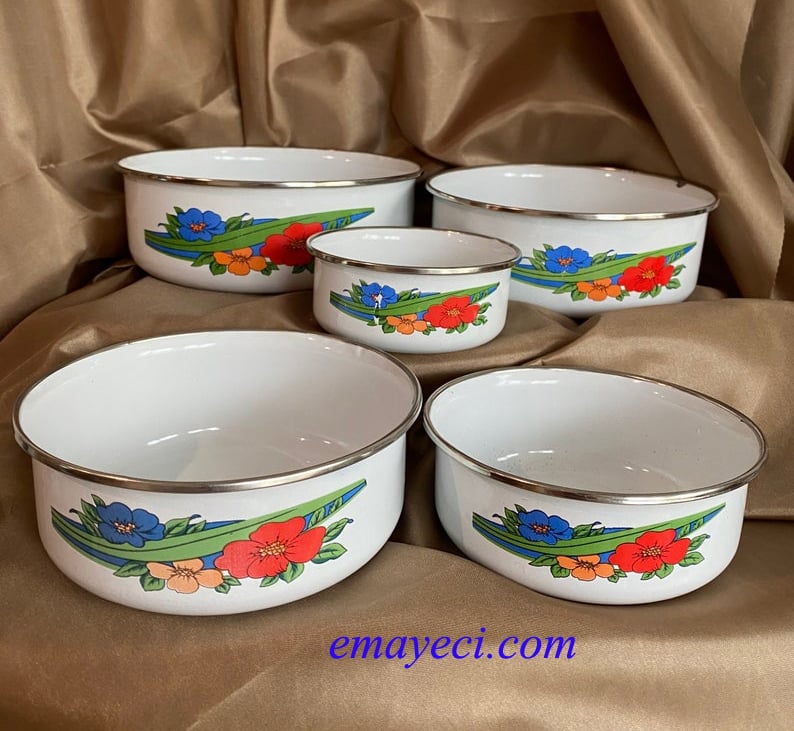
Among them, Emayeci of Istanbul has of course started to make a name for itself. Making room for more brands and varieties every day, the business is investing ambitiously because it has high hopes for the future of the sector.
As in many sectors and many parts of the world, the enamel sector was dependent on imports for many years. Türkiye, once flooded with imported products, expanded its production through population growth, incomes catching up with the modern age, the efforts of entrepreneurs and investment in machinery. In parallel, production and exports rose visibly. If we had to draw a production and sales chart, Istanbul enamel would again come out on top, thanks to foreign trade companies and companies selling promotional products. We keep mentioning enamel sales and Istanbul, but of course we can't ignore enamel production and sales in other provinces. Manufacturers in Konya, Kayseri, Afyon and Denizli are the lifeblood of this market.
You've bought enamel, so here are a few words on how to use and care for it.
A non-stick surface reinforced with stainless steel is suitable for cooking without oil and supports healthy eating.
Thanks to the porcelain enamel and special coating on the steel body, heat spreads evenly for tastier cooking.
Cooking on low heat saves energy.
Suitable for all types of cooking surface.
Stainless steel wire handles can go in the oven.
A glass lid with a steam vent looks great and lets you see how your food is cooking.
Vivid colours and patterns don't fade.
The porcelain enamel exterior doesn't darken or stain.
Dishwasher safe.
For non-stick products, wiping the non-stick inner surface with a few drops of oil on kitchen paper before each use is very important for a longer life, as the cleaning salts and detergents used in washing can affect the non-stick properties.
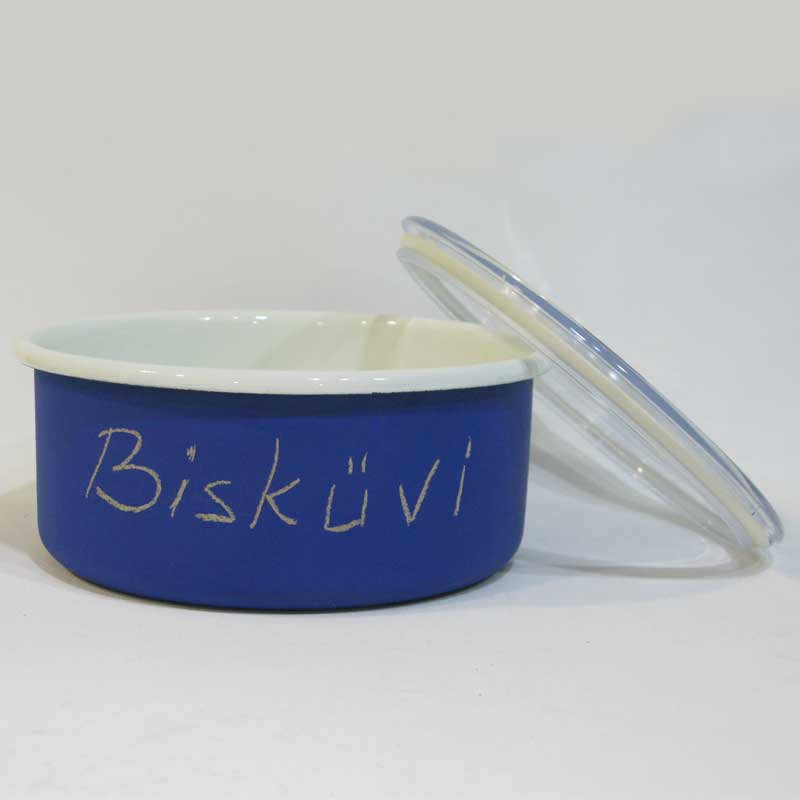
Enamel Biscuit Tin Blue
With enamel, wetting the inner surface before each use is very important for a long life. This stops animal products from sticking to the enamel during cooking. For example, milk and meat can stick or catch on an enamel surface that hasn't been wetted. Istanbul enamel, always.
Cooking on the Hob with Enamelware
When using your enamelware on the hob, preheat it on a low setting to bring the surface up to cooking temperature. Enamel vessels can take longer to heat than other cookware, so be patient. Before preheating, add a layer of oil, a few centimetres of water or uncooked food to the pot. Heating empty enamel can reach temperatures that damage the coating. Once the enamel has warmed up on low heat, you can raise the heat as you like. Cooking on the hob with enamel cookware is great for frying, sautéing, boiling, braising, steaming and simmering. Because enamel heats evenly and slowly, it needs less stirring than ordinary cookware.
Using Enamelware in the Oven
When baking, roasting, braising or frying in enamel cookware, always put the food in the pot before transferring it to a preheated oven.
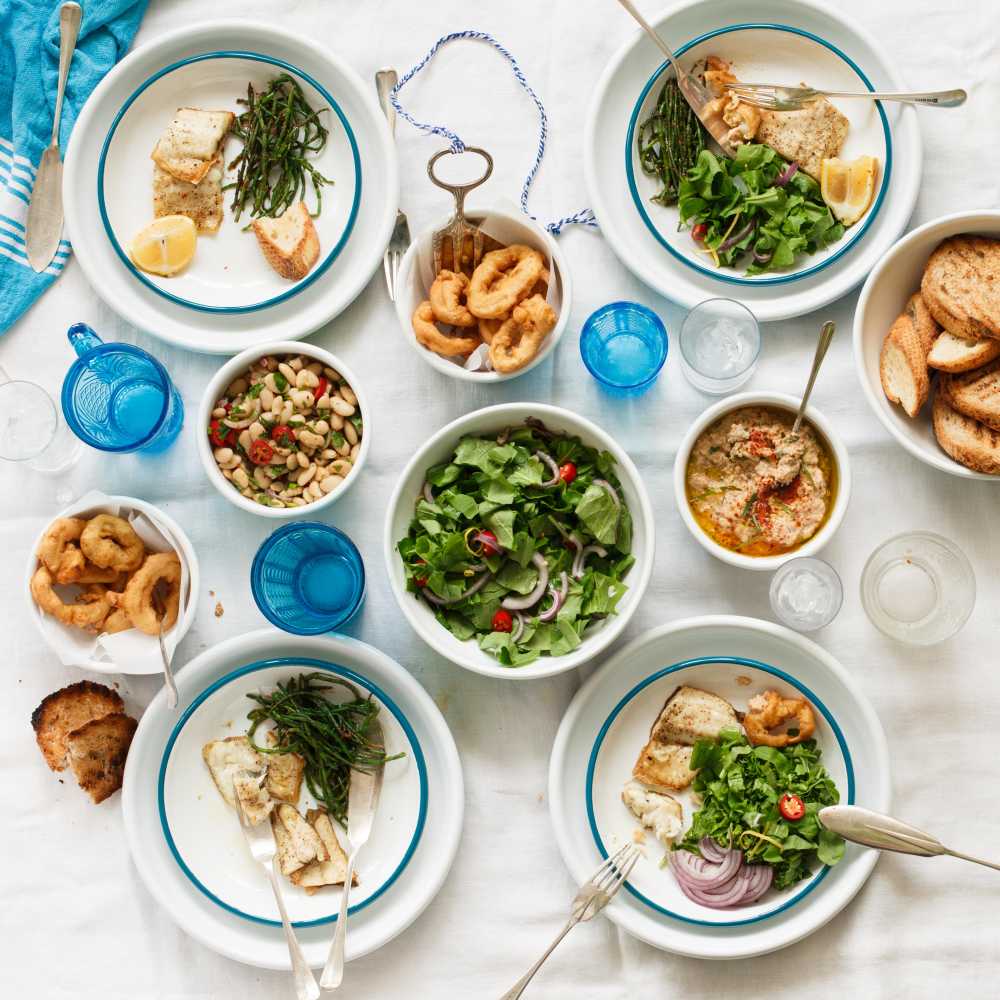
Most enamel cookware is oven safe up to at least 260 °C (500 °F), but check the manufacturer's care instructions to make sure you don't damage your cookware in the oven. When grilling food in enamel, preheat the pot on the hob with oil in it before placing it under the grill.
Cleaning Enamelware
Before cleaning your enamelware, let it return to room temperature; this prevents warping and extends its life. Don't use steel wool or other abrasives. Instead, use a sponge or a plastic pot scrubber with washing-up liquid. For stuck-on food, add water to the pot and simmer for 30 minutes, or until the food can be scraped off with a plastic utensil.
Wherever in Istanbul you buy it, and on whichever platform, Istanbul enamel kitchenware is without doubt the healthiest cooking solution you can find for your kitchen.
Stay healthy.