A quality enamel teapot may look the same as cheap alternatives at first glance, but it stands apart in steel thickness, firing temperature and workmanship. In this article we share 5 key rules to help you choose the right teapot, along with handle and spout details and care tips for a long life.
About Quality Enamel Teapots
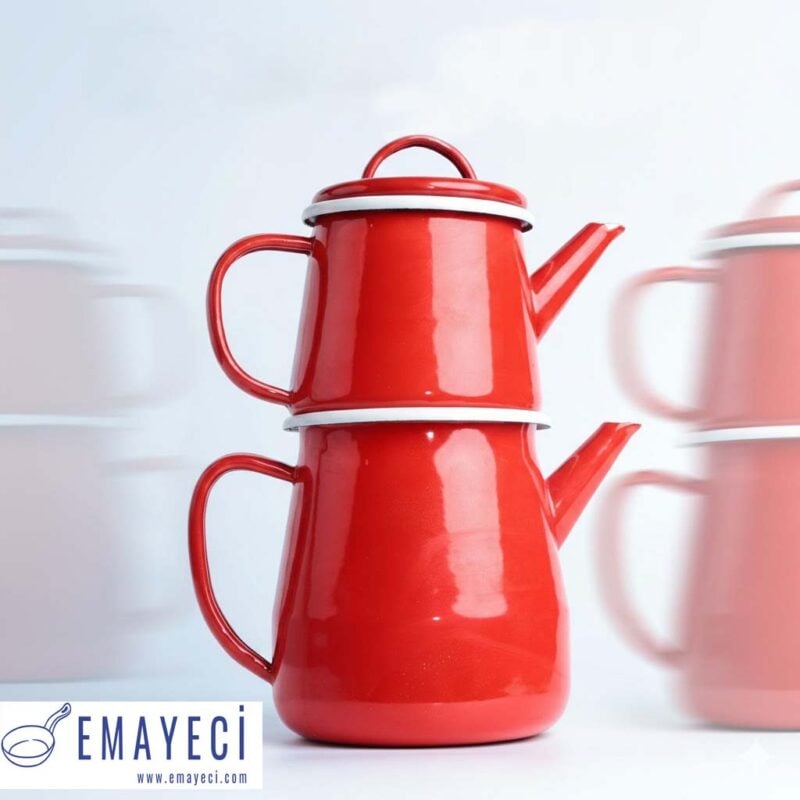
The Red Enamel Teapot with Strainer series, representing quality at Emayeci.
Cheap Enamel Costs More: The Quality Myth
Tea, the pride of Turkish cuisine and the companion of good conversation, becomes almost an art when brewed properly, and the teapot is undoubtedly its canvas. In recent years, enamel teapots have attracted a lot of interest for the nostalgic touch, colours and patterns they bring to the kitchen. Unfortunately, this growing interest has also brought a serious quality problem.
The many cheap, thin-sheet, low-quality enamel teapots on the market mislead consumers. Many people soon notice the enamel getting scratched, the coating flaking, the tea taking on a metallic taste or, worst of all, rust. This spoils your tea and wastes your money. Sadly, experiences like these lead people to the mistaken conclusion that "enamel is poor quality".
At Emayeci, we don't want you to fall into this quality trap. The aim of this article is to turn you from an ordinary buyer into an expert who can spot quality in any enamel teapot you pick up. You'll discover why genuine enamel can last for generations and the concrete criteria that durability is based on, using Emayeci's production standards as a reference.
Here are 5 key rules to help you ignore the noise and choose a long-lasting, healthy and genuinely high-quality enamel teapot:
Sheet Thickness and Type: The First Line of Defence Against Rust
Enamel is glass fired onto metal. That means the quality of the metal underneath is the key factor in the life and durability of the whole product. The better the metal, the better the enamel adheres and the longer the teapot lasts.
Rule 1: The Importance of 7512-Grade Steel Sheet
Low-quality enamel teapots are usually coated onto thin, high-carbon sheet to cut costs. This sheet doesn't withstand knocks and starts to rust quickly at the slightest scratch, an unacceptable risk for a kitchen item constantly in contact with water.
Real quality comes from using 7512-grade steel sheet, as Emayeci does in production. Why does this grade matter so much?
- Low carbon content: This type of steel provides the ideal surface for enamelling and ensures the coating bonds perfectly to the metal, minimising the risk of cracking and separation.
- Resistance to deformation: It offers extra resistance to high hob heat and minor everyday knocks. This stops the base bending or warping over time, so heat is always spread evenly.
- Rust resistance: Even if the coating is scratched, the steel underneath resists rust much better than low-quality alternatives, delaying corrosion.
What is enamel? The bond between enamel and steel is the foundation of the product. To learn more about enamel, its origins and its chemistry, read our Enamel Teapot Guide.
Rule 2: Weight and Stability
A quality enamel teapot isn't light. This is a common misconception. Lightness usually means thin sheet and therefore a short product life. A quality enamel teapot should feel solid and heavy in your hand.
Weight and energy efficiency:
- The thicker the sheet, the better it spreads heat and the easier it is to protect the glass coating. A thick base heats quickly and retains heat for a long time, so the tea brews slowly and stays hot.
- A heavy base sits more steadily on the hob, reduces the risk of tipping and holds heat longer. This weight is essential for safe use on gas, electric or induction hobs.
Cooking with enamel: To learn how to use enamel with your other cookware and which cooking methods it suits, see our Enamel Care and Use Guide.
Number of Enamel Layers and Firing Temperature
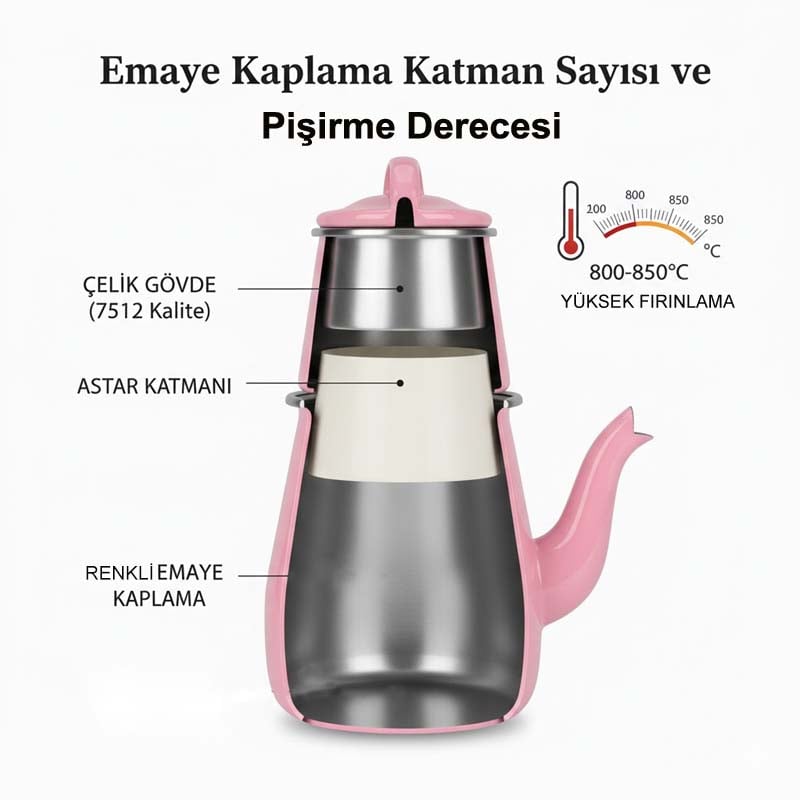
The secret of scratch- and chip-resistant enamel: 7512-grade steel and high-temperature firing at 800–850 °C.
Coating is the stage where enamel "comes to life". In low-quality enamel products, this stage is kept below standard to save costs, which directly affects the life of the coating.
Rule 3: High-Temperature Firing (800–850 °C)
The secret of a durable enamel coating lies in the number of layers and the firing temperature. Some quickly produced products are fired at low temperatures, creating only a superficial bond between the enamel powder and the metal. The coating simply sits on top of the metal without forming a chemical bond.
Controlled firing at very high temperatures of 800–850 °C, on the other hand, creates a chemical and physical fusion between enamel and steel. This high heat:
- Strengthens the bond: Greatly reduces the risk of the coating peeling or cracking and makes it more resilient to knocks.
- Increases hardness: Makes the surface very hard and resistant to scratches and wear, so it stays shiny as long as you don't use metal scourers.
Rule 4: Smoothness and an Even Coating
The surface itself is the easiest place to check quality. Even a simple visual check gives you clues about the product.
- Smoothness: Quality enamel should be as smooth and non-porous as glass. Otherwise food residue, limescale or bacteria can build up. A smooth surface also means easy cleaning and maximum hygiene.
- Evenness: There should be no lumps, small air bubbles or colour differences in the coating (especially inside). Defects like these mean the coating is weak and will crack at the first knock. Colour and thickness should be the same at every point inside and out.
At Emayeci, every product is carefully inspected by skilled hands, combining traditional craft with modern technology. This care eliminates coating defects and makes each piece a work of craftsmanship.
Rule 5: Rim Coating and Finishing
The weakest points of an enamel teapot are usually its edges.
- Rolled rims: On quality enamel, the rims of the teapot and lid should be perfectly rolled and sealed with enamel to cut the metal off from the air completely. Exposed metal is the first place rust and peeling begin.
- Rim band (if present): Some high-quality models use a thin stainless steel band to protect these edges, giving extra protection against knocks.
Handles, Spouts and Detailing
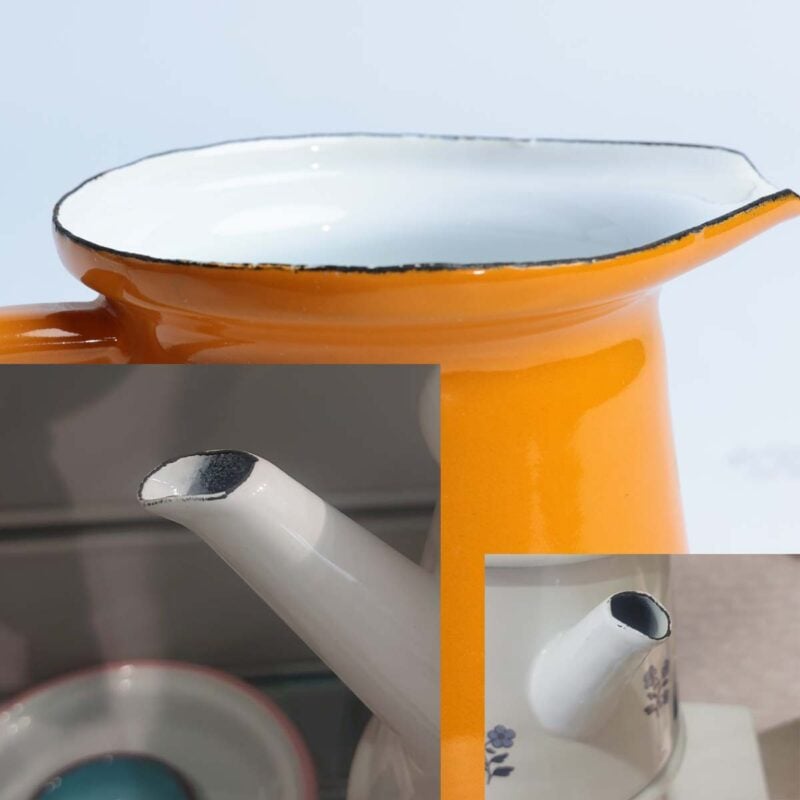
A drip-free spout angle and an ergonomic handle that won't burn your hand.
When focusing on the big picture, details are often overlooked. But a quality teapot is one where every detail has been considered for long life and safe use. Also, because metal and enamel can't fully overlap at sharp edges, the cut edges on rolled enamel products look like those in the pictures, and enamel doesn't fully cover these areas.
A damp environment or leaving the teapot wet after washing can cause problems. But don't worry: if this happens, dry the area thoroughly and rub it well with any cooking oil, and you won't have similar problems.
Handle Material and Attachment Point
The handle and its attachment points are the parts exposed to the most stress and heat.
- Material and ergonomics: Flimsy plastic or thin metal handles used for looks on low-quality products can melt or work loose quickly. Quality products use ergonomic handles that don't conduct heat and fit your hand, either sturdy cast handles or securely attached rolled-rim handles. A material that won't burn your hand is the foundation of safety.
- Checking the attachment points: Where the handles join the body should also be perfectly sealed with enamel. Any exposed metal creates a risk of rust.
Spout Angle: A Perfect Pour
One of the most annoying things that can spoil your tea is a spout that drips as you pour. This isn't just a comfort issue; it's a sign of design and workmanship quality.
- The right angle: The spout of a quality teapot should have a precise angle and shouldn't drip when you stop pouring. This takes careful engineering based on fluid dynamics.
Lid Fit and Steam Seal
- A snug fit: The lid should sit perfectly on the teapot without wobbling or letting steam escape. A wobbly lid lowers brewing quality and causes heat loss.
- Steam hole: A small steam vent on the top pot balances pressure, stops the lid from jumping and supports safe brewing.
A Detailed Guide to Long-Lasting Use
The most important step in extending the life of a quality teapot is caring for it properly. To get the most from your investment in quality enamel, you need good cleaning habits.
Enamel Care and Cleaning Tips
To protect the shine and integrity of the enamel, avoid harsh chemicals, abrasive cleaners and metal scourers. Avoiding sudden temperature changes (such as taking it off the hob and plunging it into cold water) also prevents cracks.
Care guide: To learn in detail how to keep your enamel teapot like new and what to do about rust or limescale, read our Enamel Care and Use Guide.
The Emayeci Difference: Why Pay More for Quality?
In any market, a higher-quality product inevitably comes with a higher price tag. At Emayeci, we focus on longevity, health and good design.
The Value
- Health and safety: Emayeci uses enamel coatings that contain no toxic substances and comply with health standards. Your tea tastes of tea, not metal, giving your family a healthy brewing experience.
- Long life: Thick 7512-grade sheet and two layers of enamel fired at 800–850 °C mean you can use your teapot for years, even generations. Investing in quality once saves time and money in the long run compared with constantly replacing a cheap product that rusts in a few months.
- Style and detail: Our specially designed teapots with rolled rims bring not just a utensil but a work of craftsmanship to your kitchen. These distinctive designs add character to any kitchen.
Wholesale and Business Solutions
High-quality enamel teapots aren't just for the home; they're essential for businesses such as cafés, restaurants and hotels too. Their durability, resistance to heavy use and attractive presentation help lower operating costs.
Wholesale: To learn more about our high-volume solutions and wholesale benefits for businesses, visit our Wholesale Enamel Products page.
Click to see all Emayeci enamel teapot models, made from 7512-grade steel sheet, and make your tea time even better.
Conclusion: Don't Compromise on Quality
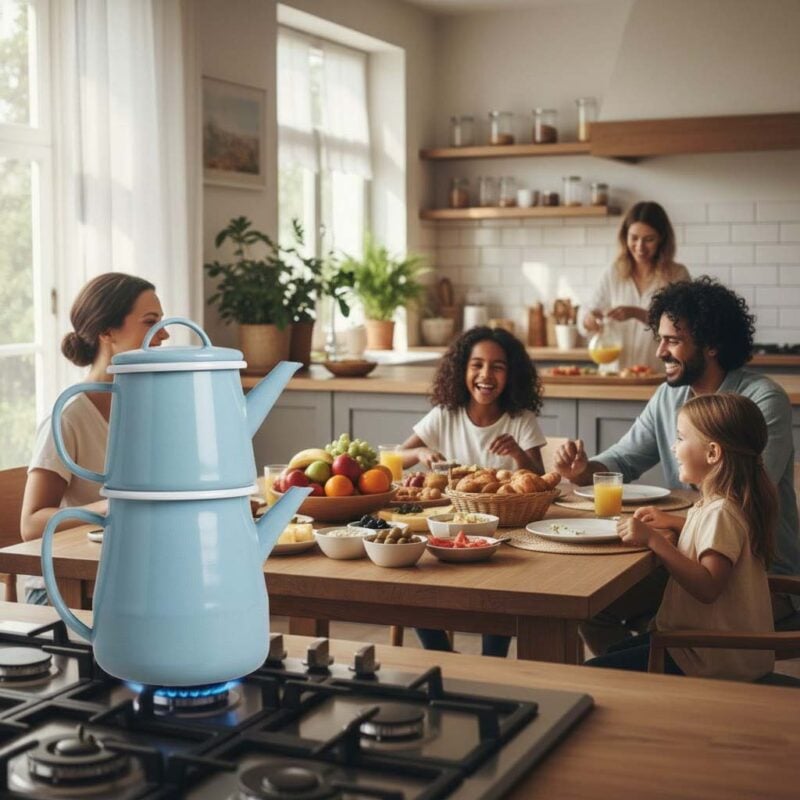
Invest in quality once instead of constantly replacing. Click for enamel teapots you can use for generations.
Buying an enamel teapot isn't just a kitchen purchase; it's a lifestyle choice. Cheap, low-quality products may make you happy for a while, but in the long run they bring rust, warping and health worries. As an informed buyer, knowing what to look for before you even pick up a product protects you from these traps.
Don't put your tea at risk. Keep these 5 key rules in mind and choose products with thick sheet, high-temperature firing and careful workmanship.
At Emayeci, we've given you not just information but the power to choose a quality product you'll use for many years. Now it's your turn to make the right choice for your kitchen.