The enamel pot is one of the most researched kitchen products among people who want to cook healthy, tasty food. Although it was overshadowed for a while by advertising and new materials, it's back in kitchens thanks to its non-porous surface, a body that spreads heat evenly and vivid colours.
Still, there are plenty of questions: Are enamel pots healthy? Does food stick? How do they differ from steel pots? What happens if the enamel chips? In this guide you'll find how enamel pots are made, their advantages and the things that need care, how they compare with other cookware, and how to use and clean them properly.
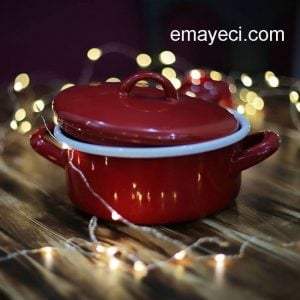
What Is an Enamel Pot and How Is It Made?
"Enamelware" means "coated with enamel". Enamel is a glass-like coating made by melting silica, borax, soda, potassium hydroxide and colouring metal oxides. Technically, it can also be described as a borosilicate glass layer applied to metal surfaces such as steel sheet and cast iron. It is also known as vitreous enamel or porcelain enamel.
Emayeci pots are made by shaping enamelling-grade steel sheet, applying a ground coat and enamel, then firing at around 800–850 °C. The pot bodies are made from sheet around 1 mm thick.
Classic and Modern Enamel Coating
Enamel is applied in two different ways:
- Classic enamel coating: Made of two or more layers. The first is the ground coat, containing highly adhesive cobalt and nickel oxides. The outer coat applied over it is both protective and decorative.
- Modern enamel coating: The enamel is applied directly to the surface. To strengthen the bond, the metal first goes through a nickel pre-treatment called "nickel flashing". This creates a surface with high resistance to impact and deformation using a thin enamel layer.
Old vs New Enamel Pots
Enamel pots used to be coated on zinc, a method that caused spontaneous bubbling known as "fish scaling". Today enamel pots are made on steel sheet. This change made pots both sturdier and healthier.
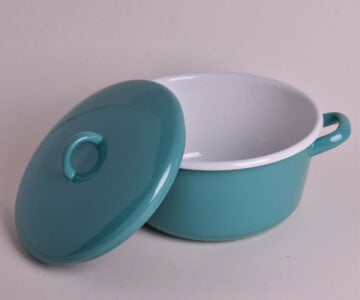
For the history, ingredients and other uses of enamel, see our guide Everything You Need to Know About Enamel.
Are Enamel Pots Healthy?
The short answer: yes, enamel pots are a healthy choice of cookware. Here's why:
- Neutral, non-porous surface: Enamel doesn't react with food or affect its taste or texture. It completely covers the steel underneath.
- Doesn't harbour germs: The smooth surface cleans easily and doesn't hold residue.
- No leaching at high heat: Enamel is a hard material and nothing leaches out when heated. Some non-stick coatings are known to contain perfluoroalkyl substances that can be released during cooking; this doesn't happen with enamel.
- Resistant to acids and alkalis: This keeps the surface intact for a long time.
- Holds no odours: It doesn't absorb smells or give them off.
- Recyclable: Enamel, together with the steel underneath, is fully recyclable.
Rumours that enamel products are harmful mostly date back to old production methods and to the marketing of new products in the past. Enamel pots with an undamaged surface that are used with care pose no health concerns.
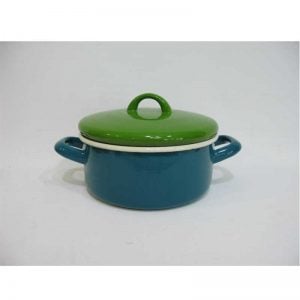
Advantages of Enamel Pots
The main features that make enamel pots stand out are:
- Even heat distribution: The one-piece steel sheet body spreads heat evenly, so food cooks evenly.
- Energy saving: Enamel heats up very quickly. You get plenty of heat even on the lowest setting, which saves energy.
- Retains heat: Enamel pots keep food warm for a long time, so they're ideal for serving too.
- Cooking with less oil: Enamel pots let you cook with less oil and help keep food from drying out.
- Durability: A hard, wear-resistant surface that doesn't scratch easily. Used with care, it can last for generations.
- Versatility: Suitable for simmering, boiling, frying, making yoghurt, and cooking and storing in the same pot. Works on all heat sources and can be stored in the fridge.
- Looks: A wide range of colours and nostalgic designs bring colour to the kitchen and the table.
Enamel Pots Compared with Other Cookware
Choosing a pot depends on your cooking habits and budget. Every material has its pros and cons.
Enamel vs Stainless Steel
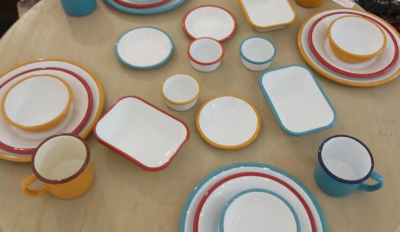
- Heat conduction: Steel doesn't conduct heat quickly, so many steel pots have conductors such as copper or aluminium added. Enamel pots don't need this.
- Weight: Stainless steel pots are usually heavy. That can help them stay put on the hob, but it's a drawback for some people. Enamel pots are light.
- Care: Stainless steel needs regular care. It can discolour with some foods and in the dishwasher, and adding a lot of salt to cold water can leave white spots on the base.
- Nickel and chromium: Stainless steel pots, especially when new, can release small amounts of nickel and chromium during cooking. These levels are generally considered safe for most people but can be a problem for those with nickel or chromium allergies.
- Impact: Steel is more impact-resistant; enamel can chip under hard knocks.
Enamel vs Non-Stick Pots
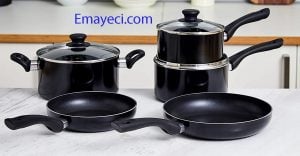
Non-stick coatings such as Teflon and granite are handy for delicate foods like crêpes and eggs. But non-stick coatings are the subject of debate. Teflon-coated pans heated above a certain temperature are known to give off harmful fumes, while the components of enamel don't break down at high temperatures.
Other Materials
- Aluminium: Light and cheap, but there are reservations about cooking and storing food in aluminium.
- Cast iron: Chosen for healthy, slow, even cooking, though its weight can be a drawback.
- Glass: A non-toxic option but not very versatile; mostly used for oven dishes and desserts.
- Clay pots: Allow slow cooking and have been used for generations.
When you weigh up lightness, practicality and a healthy surface together, the enamel pot stands out as a strong option.
How to Use an Enamel Pot
Does Food Stick to Enamel Pots?
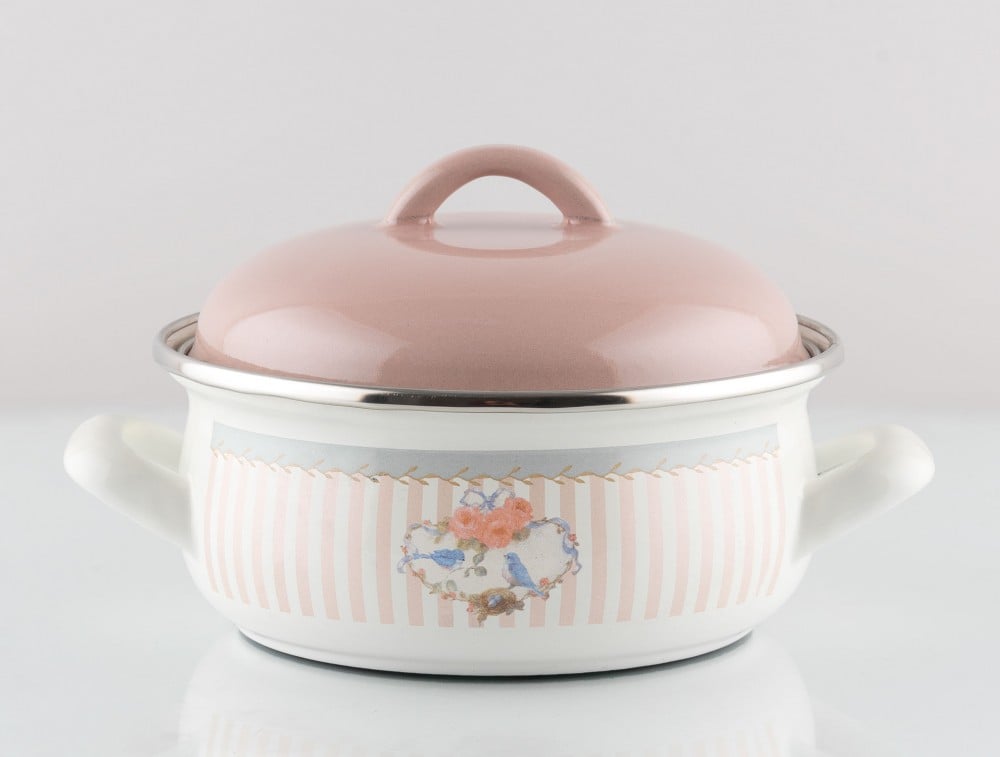
By nature, enamel heats up very quickly. If you don't manage the heat properly, food can stick. With the right technique, you can easily prevent this.
To prevent sticking:
- Never heat the pot without oil or liquid in it. The "heat first, then add oil" method we're used to with non-stick pans isn't suitable for enamel.
- After adding oil, turn the hob on at the lowest setting.
- Increase the heat step by step, only as much as needed. Enamel pots shouldn't be exposed to sudden high heat.
- Use a wooden spoon. Metal spoons can damage the surface.
Foods such as tomato paste can leave stains or stuck-on residue over time. These come off easily with the methods described in the cleaning section.
Even non-stick surfaces can stick where the oil doesn't reach. This is more noticeable with enamel, but it's down to the material heating quickly and is easily overcome with good heat control.
Cooking Tips
- Turn off the hob five minutes before the food is done and leave it for five minutes. Because enamel retains heat, the food finishes cooking in its own heat.
- You can use the pot on all heat sources.
- Enamel pots are also ideal for serving, keeping food warm for a long time.
Storing and Reheating
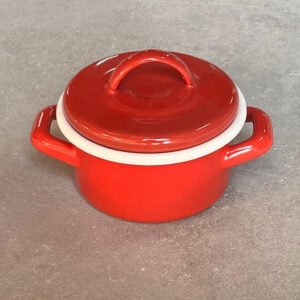
You can store leftovers in mini enamel pots in the fridge and reheat them in the same pot. A small tip: add a little oil before putting food in the fridge so it doesn't stick to the base when cold and reheats quickly.
Where They're Used
Besides homes, enamel pots are used for service in breakfast cafés, cafés and restaurants. Thanks to their light build and vivid colours, they're also popular for camping and caravanning.
Cleaning and Caring for Enamel Pots
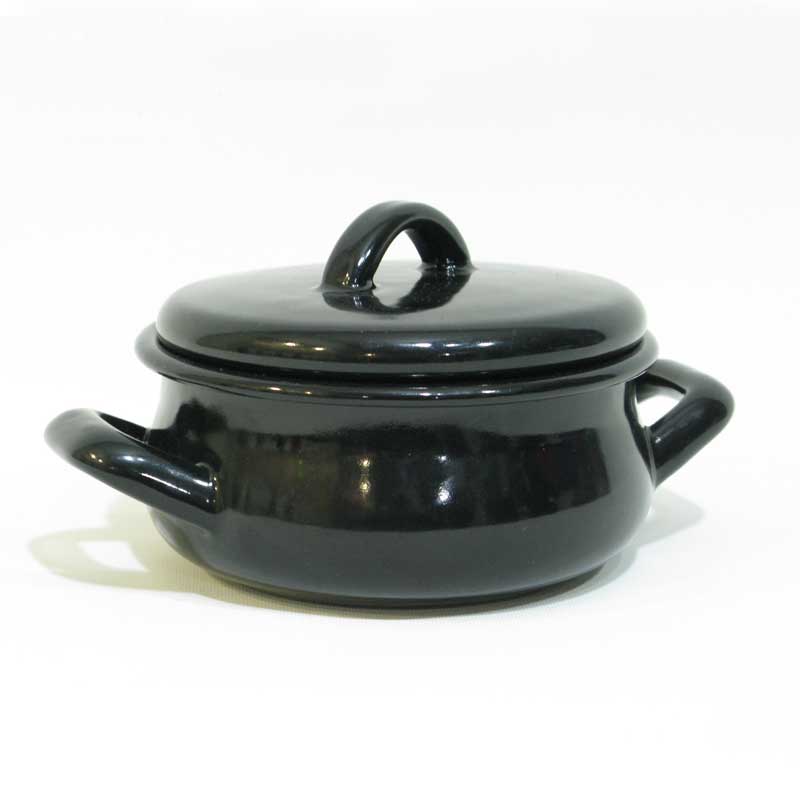
Enamel pots can be washed by hand or in the dishwasher. Emayeci products are dishwasher safe with mild detergents, but we recommend hand washing to keep them shiny for many years.
In the Dishwasher
- Remove food residue and rinse lightly before putting the pot in the dishwasher.
- Wash on a gentle programme.
Hand Cleaning
- Use the soft side of a washing-up sponge and keep hard objects away from the surface.
- After cooking, add water and washing-up liquid to the pot and bring it gently to the boil. Dirt lifts off and cleans away easily.
Removing Yellowing and Burn Marks
If there's yellowing inside the pot or a dark mark from burnt food, add a little vinegar, bicarbonate of soda and water and bring it gently to the boil. Then scrub with a cream cleaner and, if possible, a natural loofah.
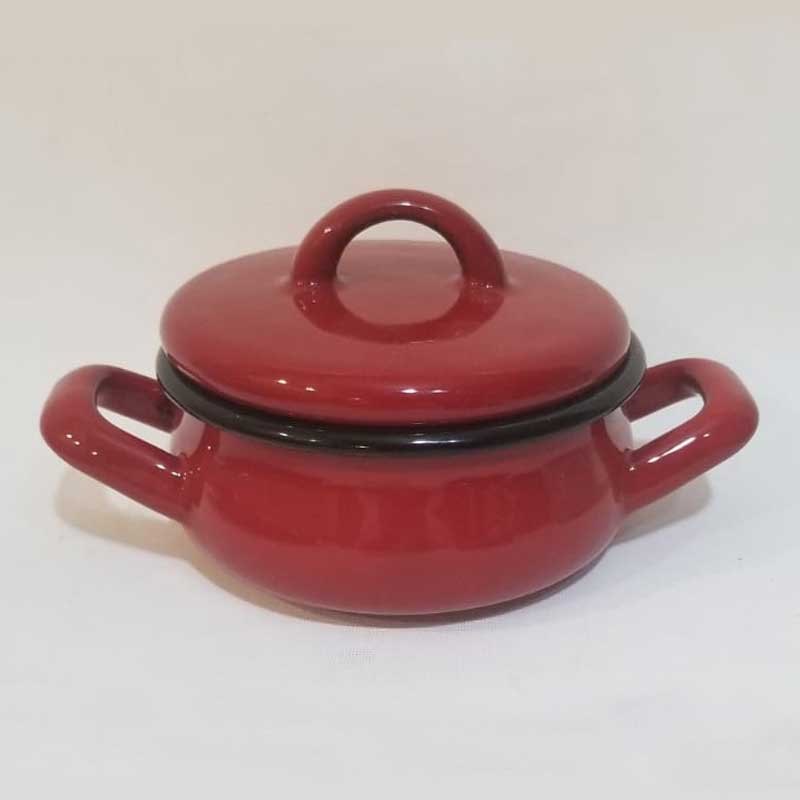
For more details, see our Enamel Care and Use Guide.
What Happens If an Enamel Pot Chips or Cracks?
Enamel doesn't scratch easily. But if the pot is dropped or hits a hard surface, the coating can chip, revealing a black area underneath. This is the ground coat, a kind of clay made of natural materials that bonds the enamel to the steel.
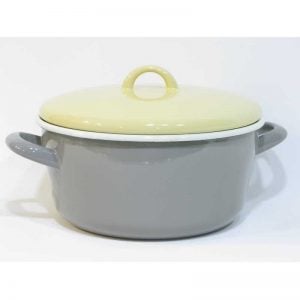
- If the chip is on the outside: No need to worry. The ground coat poses no health concerns with use and heat; you can keep using your pot.
- If the chip is on the inside: Because we can't be 100% sure that even the tiniest fragments of glass have been cleaned away, we don't recommend continuing to cook with the pot. You can give it a non-food use, for example as a plant pot.
Can Enamel Be Repaired?
Because enamel is fused onto steel sheet in one piece at high temperature, it can't be repaired. On areas that don't touch food, you can touch up with enamel repair kits or spray paints sold at DIY stores. But because these are acrylic materials, they must never be used anywhere that comes into contact with food.
Enamel Pot Models and Building a Set
Emayeci pots come in sizes from a 12 cm mini pot up to 22 cm. Pots are sold individually rather than as sets, so you can build your own 3- or 5-piece enamel pot set to suit your needs.
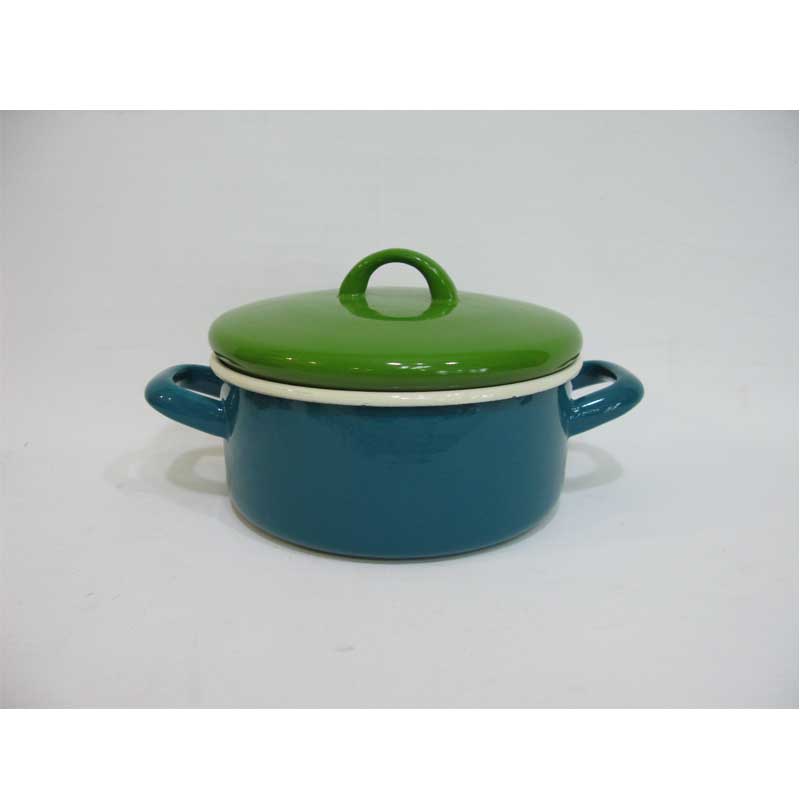
Add an enamel milk pan, saucepan, frying pan and egg pan to your enamel pots for a complete enamel kitchen set. Pots are sold retail and wholesale, and logos or custom prints can be applied for businesses. For bulk orders, see our Wholesale Enamel Products page.
Conclusion
With its non-porous, neutral surface, steel body that spreads heat evenly, low-oil cooking and long life, the enamel pot is a cornerstone of a healthy kitchen. Increasing the heat gradually, never heating it empty, using a wooden spoon and protecting it from hard knocks are the keys to keeping your pot like new for years. To complete your kitchen with enamelware, see our Enamel Teapot Guide and Enamel Bowl Guide.
Frequently Asked Questions
Are enamel pots healthy?
Yes. Enamel is a neutral, non-porous surface; it doesn't react with food, harbour germs or leach anything at high heat.
Does food stick to enamel pots?
Because enamel heats up very quickly, food can stick if the heat isn't managed properly. Never heating the pot without oil, starting on the lowest setting and increasing the heat gradually prevents sticking.
Are enamel pots dishwasher safe?
Yes, on a gentle programme. To keep them shiny for many years, we recommend washing by hand.
What's the difference between enamel and steel pots?
Enamel is lighter, conducts heat quickly and evenly, and thanks to its neutral surface doesn't cause care or discolouration problems. Steel is more resistant to knocks.
Can I use an enamel pot that has chipped?
If the chip is on the outside, yes. If it's on the inside, we don't recommend continuing to cook with it. Enamel can't be repaired.